


Badminton Meets Psychology: When Ambition Helps Sports and Scholarship Take Flight
Saloni Mehta (BPsych)

For many university students, balancing course reading assignments with a personal life is challenging enough. For Saloni Mehta, that juggling act also includes the intense physical and mental demands of high-level sports. Having recently completed her fifth year at HKU, majoring in psychology, Saloni is not only a significant presence on the international badminton circuit but also a dedicated student navigating the delicate balance between competitive sports and higher education.
Admission into HKU came through the prestigious Top Athletes Direct Admission Scheme (TADAS), a pathway designed to support outstanding athletes in pursuing academic excellence alongside their sporting careers. For Saloni, who spent years refining her game to reach the elite level, the opportunity to study at Hong Kong’s most prestigious university marked a natural next chapter in an already impressive journey.
Saloni’s badminton journey began casually, rooted in a simple moment of childhood boredom. “I remember being eight years old and bored during the summer break, so my cousin suggested that I go for badminton classes,” she recalls. “All I remember is how much fun I had holding a racket.”
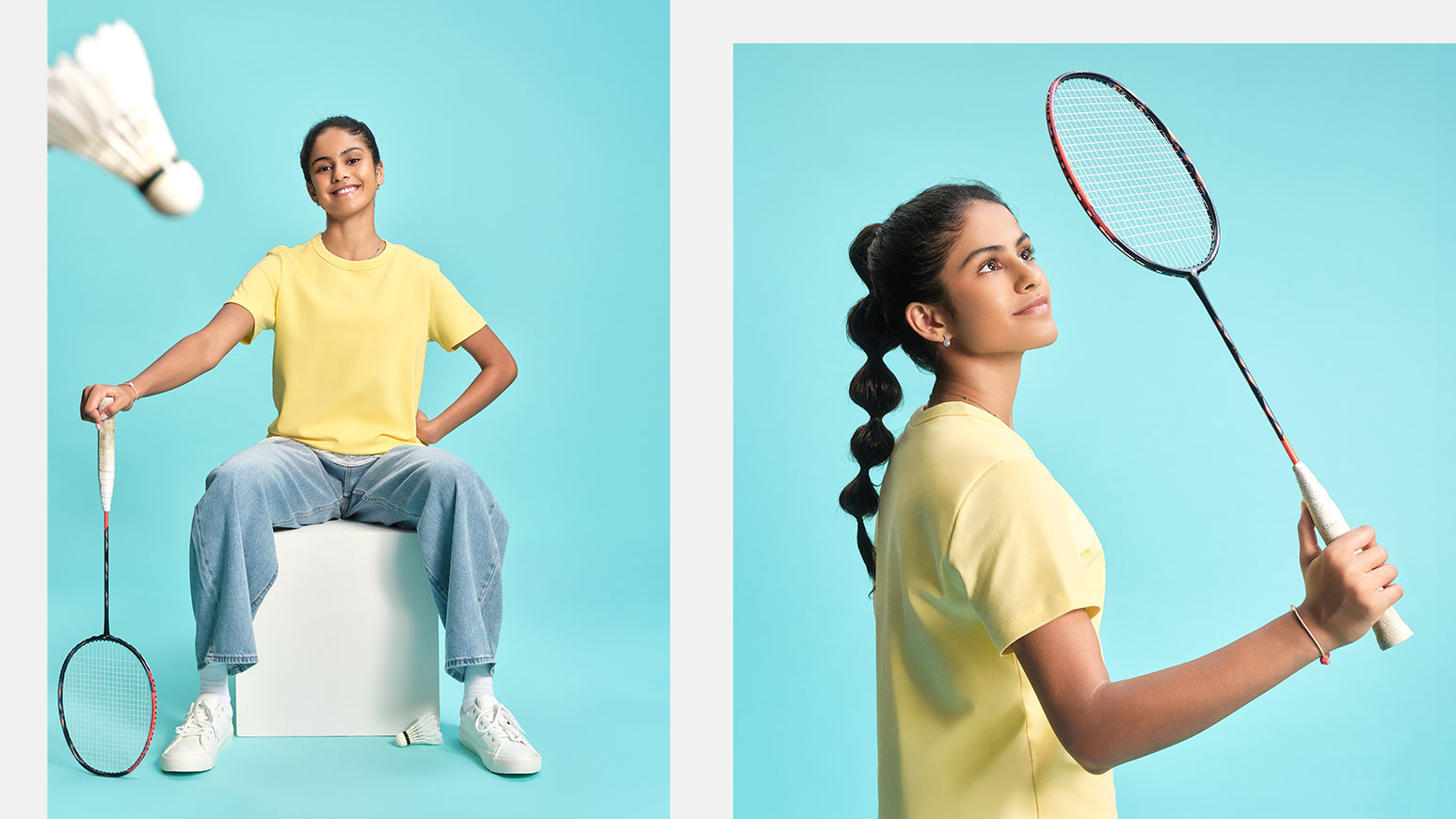
That initial spark quickly transformed into serious competitive ambition just a few years later. “Probably when I came first in the Inter-Region All-Round Competition in Hong Kong for my age group at 12,” Saloni says. “It was unexpected and I was nervous throughout the ordeal, but I managed to perform above my standards, which enabled me to go through to the next level with flying colours.”
Choosing to represent Hong Kong, China on the global stage was an easy decision, as she considers the city her true home. However, stepping into the national-level training environment brought unexpected personal hurdles. Joining the team from a different cultural and language background was an immediate challenge.
“Besides the physical demands of training, I found it hard to fit in with the team and be cohesive,” Saloni says. The language barrier was an issue, and she initially felt like an outsider. “Eventually, I began to get along with them better and was able to fit in more, which improved my relationship as their teammate.”
Over time, picking up Cantonese and immersing herself in the local culture helped her find a true sense of belonging. The breakthrough moment came when she represented Hong Kong, China abroad for the first time as a junior athlete, affirming her position on the squad.
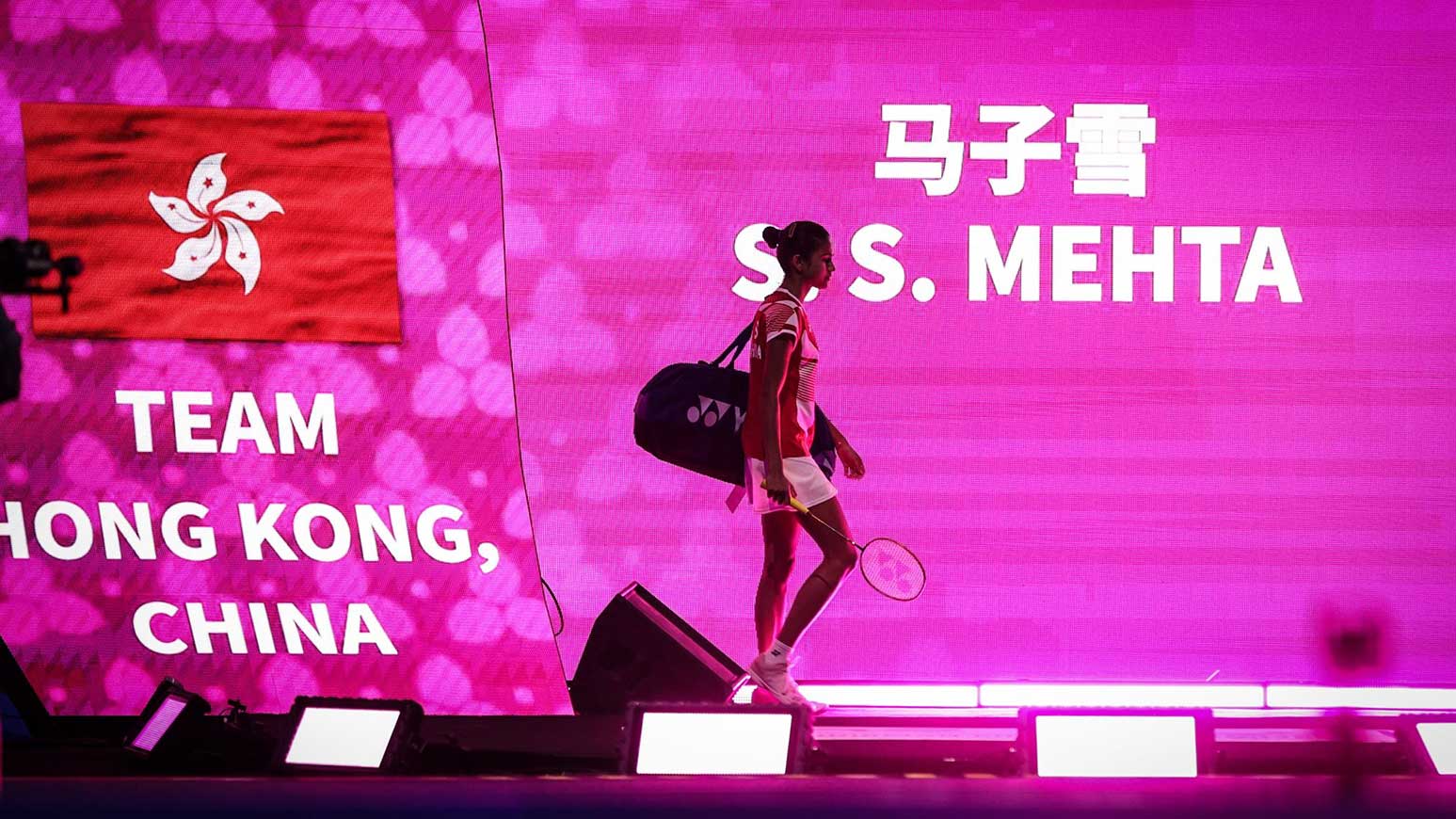
Since then, Saloni’s career has yielded significant accolades, including titles at the Hong Kong Annual Badminton Championships in both 2022 and 2024, as well as a bronze medal at the 2024 Indonesia Masters Super 100. However, reaching those heights has required her to face psychological moments of deep self-doubt and exhaustion, and find a way through.
“There were times when I felt stuck or that I wasn’t improving, and my goals seemed unattainable. I was very tired mentally and sticking to just being disciplined was draining me. I lost my passion and didn’t have fun on court anymore,” Saloni admits. “But I thought about it and asked myself if I would regret it if I quit now. I came to realise that after tough periods, we can always emerge stronger as long as we choose to persist.”
Saloni’s decision to enter university was largely spurred by the pauses to regular life brought on by the pandemic. Interestingly, it spurred her on to be more productive, and tapping into her natural inclination to be ambitious, she set her sights on joining HKU, driven by a desire to study human behaviour and sports psychology.
Managing the workload of a demanding degree alongside international competition has required constant adaptation. “It’s been pretty tough, mainly because course deadlines often clash with competitions and training,” she says. “I try to make it work. I’ve come to learn that professors are quite understanding, as long as you communicate in advance what your situation is. However, I still find it hard because after training, I’m often too tired to do anything, so I struggle with heavy workloads.”
Despite the demanding schedule, campus life has offered Saloni a vital outlet away from the high-pressure world of competitive sports. Engaging with a diverse student body has broadened her perspective beyond the court. “Definitely, meeting new people, getting to know them, and hanging out with them – I feel like that’s really university life,” she says. “It also expands my worldview and perspective on life beyond badminton.”

Looking ahead, Saloni’s aspirations remain firmly grounded in both her sport and her studies. On the court, her ultimate target remains the global pinnacle of athletic achievement: the Olympic Games. While acknowledging the hard work ahead, she remains steadfast. “Based on my current world ranking and performances in major tournaments over the past two years, I am not yet qualified,” she admits. “But I haven’t given up. I believe that one day I can achieve a breakthrough and make it to the Olympic Games.”
Off the court, her experience as an elite athlete has directly shaped her long-term academic and professional ambitions in psychology. “The mental health of athletes is often overlooked, even by ourselves, as we think we have to be strong and resilient,” Saloni observes. “It can lead to avoidance and an inability to address problems, which creates more buildup of negative emotions.” Having experienced the mental strain that comes with extreme performance pressures, she hopes to eventually contribute to sports psychology research after completing her competitive playing career.
Unsurprisingly, her own motto, ‘Your attitude determines your altitude’, is upbeat and empowering. “I try to remember this when I feel I’m not good enough, or if I feel frustrated, which is often!” she says. “Having a good and positive attitude is a key contributor to how far you can go.”
Share


